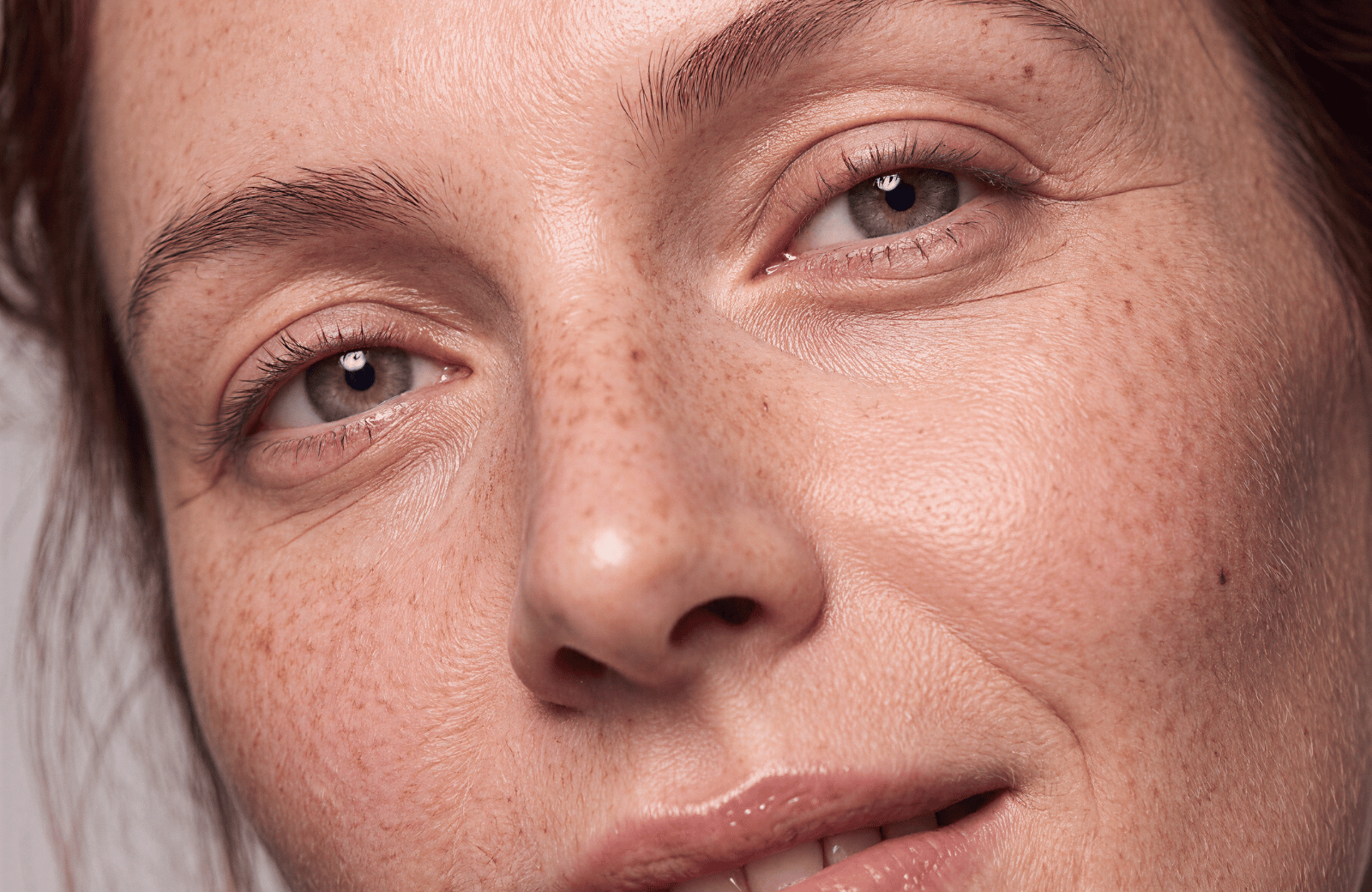
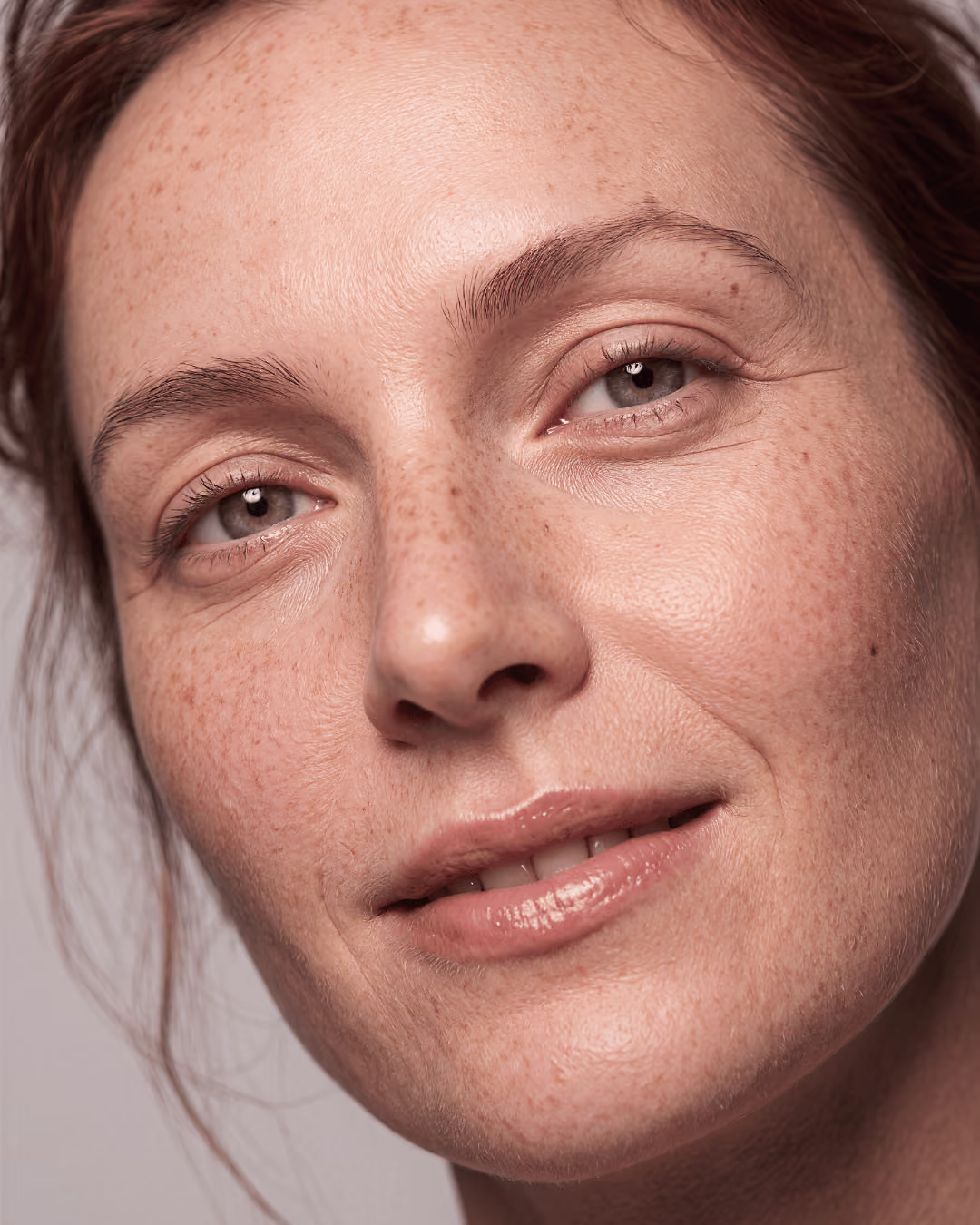
A tired look, dark circles, eye bags or drooping lids – changes around the eyes can affect your entire facial expression. Because the skin in this area is especially thin and delicate, the first signs of skin aging often show up here early. At Kalia Lab, our doctors look at the eye area holistically, identify the underlying causes and develop an individual treatment plan. For a fresher, more awake look that stays natural.
Book your eye consultation now.png)
Changes around the eyes can make your look appear tired or exhausted – even if you feel fit and well rested. Often several factors work together: a sagging brow, excess skin on the upper lid, shadows under the eyes or volume loss in the cheek area.
.png)
Dark circles can have different causes: a hollow under the eye, pigment changes in the skin or blood vessels showing through. Often several factors work together. Depending on the cause, dark circles can be softened with targeted treatments, but they cannot always be eliminated completely.
.png)
Swelling and bulges under the eyes can have different causes: protruding fat tissue, fluid retention or slackened skin. Because these changes look similar but require different treatments, an accurate assessment is crucial.
.png)
Drooping upper lids can have different causes: excess skin on the upper lid or a sagging eyebrow. Either can make your look appear tired, heavy or sad. Because the changes look similar but require different treatments, an accurate assessment is crucial.
.png)
The skin around the eyes is especially thin and loses collagen and elasticity with age. This can lead to fine crinkles, crow's feet and increasingly translucent skin.
.png)
Small bumps, yellowish changes or brownish spots on the eyelids are often benign. They may be milia, syringomas, xanthelasmas or pigment changes. Because these skin changes can look similar, an accurate examination with a dermatoscope is crucial before targeted treatment.

Your eyes say a lot about you – and your treatment should be just as individual. In a personal consultation, our doctors clarify the cause of your concern and plan the right path with you.
We start with a detailed conversation, including your medical history and information about the treatment. You tell us what bothers you and what you wish for, and we ask about previous treatments, allergies and medication. Then our doctors analyze brow, lid, tear trough and cheek and discuss with you which treatment suits your concern.
No, you don't need to prepare anything. It helps us if you tell us about previous treatments around the eyes, allergies and medication. We clarify everything else together in the conversation.
Your look rarely has just one cause: brows, lids, skin, volume and pigment all play a part. That's why our doctors look at each zone individually and first clarify what really shapes your look. Only then do we decide together which treatment makes sense for you.
That depends on your concern and the findings. Once all your questions are answered, you can either start the treatment right away or book a suitable appointment.
That's individual and depends on which concerns you have and how pronounced they are. In your consultation, we create a treatment plan in sensible stages so you know what to expect from the start.
That's normal. We proceed step by step: first brow and lid, then muscle, volume, skin and finally pigment. There are usually four weeks between treatments. In your consultation, we set the order together with you.
We first look at every spot with a dermatoscope. Small bumps and yellowish or brownish changes on the lid are often benign, but sometimes look similar to changes that need a closer look. For unclear findings, we carry out an additional medical evaluation before any treatment.
If you have a suddenly drooping lid, double vision, one-sided swelling, a protruding eye or a change on the lid margin with loss of lashes. That's why every consultation with us begins with a check for warning signs.
Most procedures are made comfortable with local anesthesia or numbing cream. We discuss the exact procedure and what to expect with you in detail beforehand.
That depends on the procedure and we discuss it individually in your consultation. After upper eyelid surgery, plan for 7 to 14 days of downtime.
Get a 10% discount on your first booking — sign up for our newsletter now and receive regular information about our latest treatments, promotions and much more so you don't miss anything!


Simply fill out the contact form.
Our team will get back to you personally as soon as possible.
Do you know your true skin age?
Get to know your skin needs better and find out what your skin really needs!
Start a free skin analysis