Removing Dark Circles Under the Eyes – Causes & Modern Treatment Methods
Dark circles under the eyes can quickly make us look tired, stressed, or even sick—even when we actually feel fine. So it’s no wonder that many people ask themselves: How can I get rid of dark circles? And above all: Which method really works?
In fact, dark circles are a common phenomenon that can have many causes—ranging from genetic factors to skin aging or poor circulation. This makes it all the more important to understand the individual triggers and find tailored solutions.
In this article, you’ll learn exactly what causes dark circles, what types there are, and which modern methods can effectively treat them today—permanently and gently. Whether you want to get rid of dark circles or learn about innovative approaches, you’ll find well-researched answers and suitable solutions here.
What are dark circles under the eyes?
Dark circles are dark, often bluish to brownish shadows under the eyes. They are caused by changes in the skin structure, blood circulation, or the tissue around the eye area. Because the skin here is particularly thin—on average only about 0.5 millimeters—blood vessels and pigmentation are much more prominent than in other areas of the face.
From a medical perspective, dark circles are not a disease but a cosmetic condition. Nevertheless, many people find them bothersome, as they are often associated with fatigue, aging, or health problems—regardless of the actual cause.
Typically, dark circles are particularly noticeable under certain lighting conditions or on certain skin types. And although they are usually harmless, they often affect self-image—which explains why interest in effective treatment options is steadily growing.
Causes of Dark Circles: Why Do Dark Circles Form?
Dark circles under the eyes are a complex, multifactorial phenomenon with various causes. They are among the most common cosmetic skin concerns worldwide—and they often appear at a young age: the average age of onset is around 24.
The most common causes of dark circles under the eyes
Genetic predisposition
A family history of the condition is considered the strongest risk factor. People who have noticed dark circles under the eyes in their family are at a significantly higher risk of developing them themselves.
Hyperpigmentation
Increased melanin production—often caused by genetics or exacerbated by UV radiation, allergies, or atopic dermatitis—leads to dark discoloration under the eyes. Melanin is considered the main factor in the development of dark circles under the eyes.
Vascular causes
Blood pooling or poorly perfused blood vessels beneath the very thin skin around the eyes cause the tissue to appear bluish or purple—a condition that is particularly noticeable in people with fair skin.
Structural shading
As we age, the skin loses volume and elasticity. This leads to the formation of hollows (tear troughs) that cast shadows and make dark circles under the eyes appear more pronounced.
Skin transparency
Because the skin under the eyes is particularly thin (0.5 mm or less), the blood vessels and underlying structures show through more clearly—especially when you're stressed, tired, or dehydrated.
Other risk factors
- Asthma or atopy
- Smoking
- Unhealthy diet
- UV radiation
- Insufficient lymphatic drainage
No link to sleep deprivation has been found
Incidentally, recent studies have found no significant link between lack of sleep and dark circles under the eyes. Instead, genetic and biological factors play the main role.

What are the different types of dark circles under the eyes?
Classifying dark circles under the eyes is a complex process, as they result from various causes—which often overlap. Dark circles can be classified based on a medical history, specialized tests, and visual assessment, and targeted treatment can begin once the correct classification has been determined.
1. Vascular dark circles (approx. 35%)
This condition is caused by increased visibility of the blood vessels under the eyes. Because the skin is thin, the veins show through more darkly, resulting in bluish or purplish shadows. Stress or dehydration can further exacerbate this effect.
2. Dark circles under the eyes
In this condition, medically known as periorbital hyperpigmentation, melanin—the pigment responsible for our skin color—accumulates in increased amounts in the lower eyelid region. This usually results in brownish discoloration, particularly in people with darker skin tones or following chronic UV exposure. Skin conditions such as atopic dermatitis and hormonal factors also play a role.
3. Mixed dark circles (approx. 54%)
The most common form is a combination of vascular and pigmented components. In the study mentioned, more than half of the participants had this combined form. In such cases, treatment plans must be tailored individually to address both causes.
4. Structural dark circles
Less common, but clearly visible: This condition is caused by depressions in the tear trough—usually due to aging or genetics. The tissue loses volume, creating shadows that accentuate the appearance of dark circles, regardless of skin tone or blood flow.
What can you do about dark circles under the eyes? Proven home remedies and skincare tips
Not every type of dark circles under the eyes requires immediate medical treatment. Especially in cases of mild symptoms or temporary causes, natural methods and targeted skincare can help significantly improve their appearance. It’s important to note that not every treatment works the same for everyone—and many effects are only temporary.
1. Sleep and Positioning
While getting enough sleep isn’t a cure-all (and, scientifically speaking, isn’t the primary cause of dark circles under the eyes), it is one of the simplest steps you can take. Lack of sleep can make your skin look paler, causing the blood vessels beneath it to become more visible. The U.S. Department of Health and Human Services recommends following your body’s natural rhythm. It also notes that most people get about seven hours of sleep per night.
2. Cooling and Compresses
A cold washcloth, chilled gel masks, or cold cucumber slices can temporarily reduce swelling and constrict blood vessels. Chilled tea bags (especially those containing caffeine) also have an anti-inflammatory effect. These effects usually last only a few hours, but they can significantly improve the appearance of the skin.
3. Sun protection
UV radiation is a key factor in hyperpigmentation—including around the eyes. If you want to reduce dark circles over time, you should make sun protection a consistent part of your routine: eye care products with SPF, sunglasses, and a wide-brimmed hat provide reliable protection.
4. Skincare ingredients
Many ingredients in eye creams are designed to reduce dark circles under the eyes, including:
- Vitamin C: Can brighten the skin and stimulate collagen production. A 10% vitamin C cream could therefore slightly increase skin thickness and reduce dark circles under the eyes.
- Vitamin K: May help reduce the appearance of visible blood vessels and has anti-inflammatory properties.
- Caffeine: Constricts blood vessels and visibly reduces bluish shadows.
- Hyaluronic acid & aloe vera: Hydrate and smooth the skin.
- Retinol: Should be used with caution around the eyes—some studies advise against using it on dark circles, as it can cause dryness.
5. Natural Oils & Home Remedies
Some people swear by mixtures of almond oil and vitamin E, which are gently massaged under the eyes in the evening. However, there is limited evidence to support this, just as there is regarding the effectiveness of vitamin K pads or plant extracts.
6. Make-up als Soforthilfe 6. Makeup as a quick fix
Concealer and corrective makeup aren’t a cure, but they can effectively hide dark circles—especially when they’re heavily pigmented. Products containing light-reflecting pigments make the eye area look fresher.
Important to know
Most home remedies only provide temporary relief and are best used as a supplementary measure. Anyone suffering from pronounced or persistent dark circles under the eyes should consult a doctor to determine the underlying causes—as this is the only way to find a targeted, long-term solution.
Removing dark circles with modern methods – what really works and provides long-lasting results
If home remedies and skincare products aren’t enough, or if dark circles persist, modern medical procedures offer highly effective alternatives. The choice of method depends on the type of dark circles—pigmentation, vascular changes, or loss of volume. Here is an overview of the most common and effective treatments:
1. PRP treatment (autologous blood therapy)
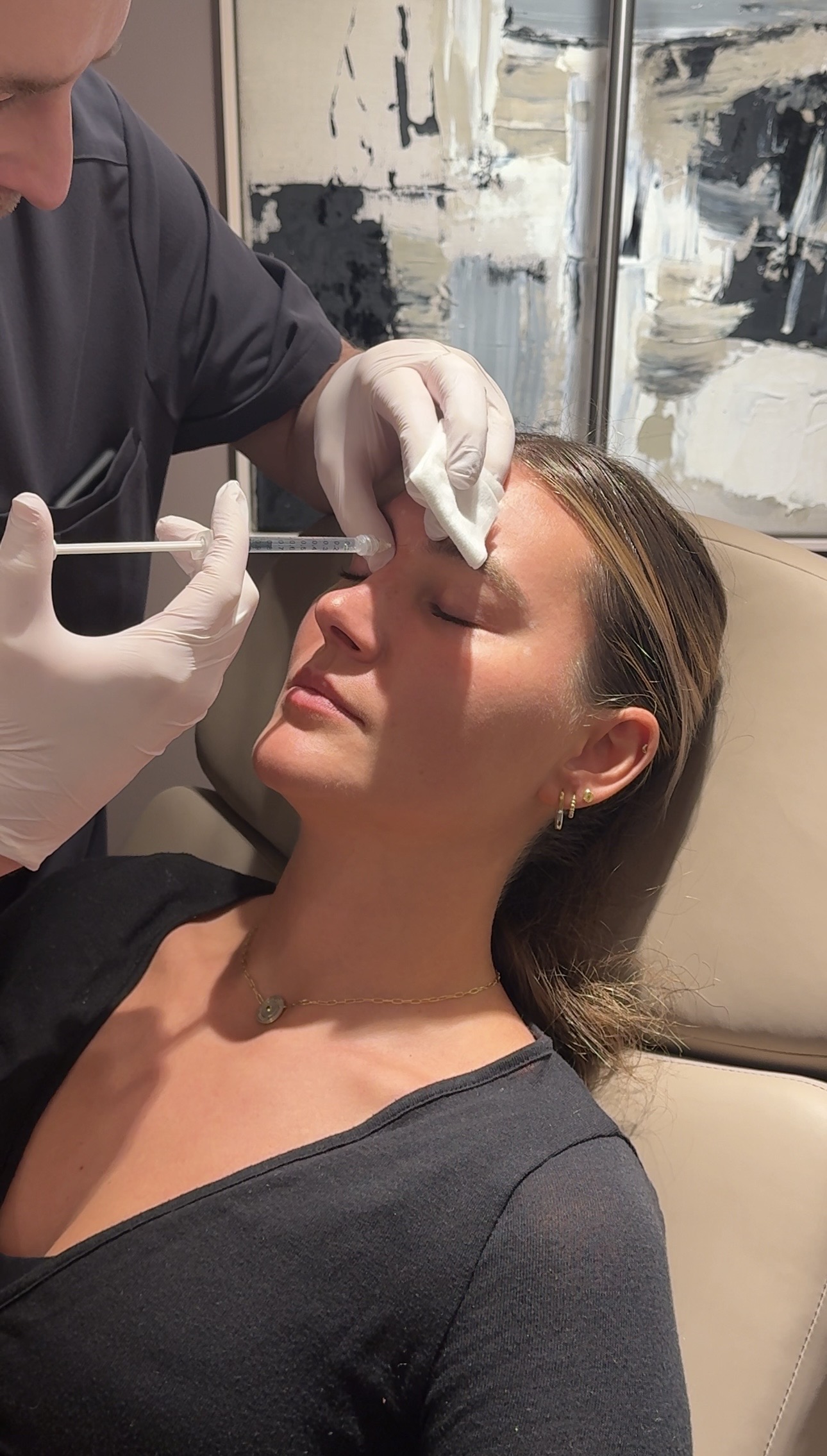
Platelet-rich plasma (PRP) therapy uses the body’s own growth factors derived from blood. These are injected directly under the eyes to stimulate cell regeneration, improve skin texture, and visibly reduce dark circles. PRP significantly reduces dark circles and fine lines—without any artificial additives.
2. Hyaluronic acid injections
Hyaluronic acid is often used to treat structural dark circles or loss of volume under the eyes. It gently plumps up the tear trough, reduces shadows, and improves the appearance of the skin—with immediately visible results, usually after just one session. Depending on the product, the effects last approximately 6–12 months.
3. Medical microneedling
Controlled micro-injuries stimulate the skin to regenerate itself. When combined with active ingredients such as vitamin C or antioxidants, microneedling can reduce pigmentation irregularities, improve skin texture, and even out skin tone—including under the eyes.
4. Laser Therapy & IPL
For dark circles under the eyes caused by heavy pigmentation, a special pigment laser or Intense Pulsed Light (IPL) treatment may be effective. These procedures target the melanin deposits in the skin and gradually break them down. They are particularly effective for Asian or darker skin types—though usually require multiple sessions.
5. Exfoliants & Medicated Creams
For mild hyperpigmentation, chemical peels—such as those containing glycolic acid or TCA—as well as prescription creams with active ingredients like hydroquinone, arbutin, or kojic acid can lighten the skin. Their use should always be supervised by a doctor, as side effects are possible.
Tip: Combining multiple treatments—such as PRP and hyaluronic acid—can lead to noticeable and visible improvements, especially for mixed dark circles under the eyes.
Get Rid of Dark Circles at Kalia Lab
At Kalia Lab, we offer three modern, medically proven methods that specifically target the causes of your dark circles—tailored to your individual needs, gentle, and effective.
PRP – NATURAL REGENERATION
With PRP treatment (autologous blood therapy), you harness the power of your own body: platelet-rich plasma is gently injected under the eyes to stimulate cell regeneration, reduce puffiness, and make the skin look visibly fresher.
HYALURONIC ACID – TARGETED VOLUME RESTORATION
When dark shadows are caused by a loss of volume, hyaluronic acid injections are the treatment of choice. The gel is injected with pinpoint precision, filling in the tear trough and smoothing out uneven contours—for a smoother, more alert appearance without looking unnatural.
RADIOFREQUENCY NEEDLING – SKIN TIGHTENING & FIRMING
This innovative method combines ultra-fine needles with warming radiofrequency energy. This stimulates collagen production, tightens the skin under the eyes, and significantly reduces dark circles. Ideal for sagging skin or structural dark circles.
Whether you choose individual treatments or a combination of them, the experienced medical team at Kalia Lab will provide you with honest, personalized advice. Our goal is always to achieve results that are visibly improved but never look unnatural.
Bottom line: Getting rid of dark circles under the eyes—there are solutions
Dark circles under the eyes aren't inevitable. Whether caused by pigmentation, loss of volume, or visible blood vessels, modern treatments offer effective ways to make your eyes look fresher and more alert.
Book your personalized consultation with Kalia Lab today—and discover which method is truly right for you.
.png)