Why shouldn't you drink alcohol after a hyaluronic acid treatment? Here's what you need to know
A glass of champagne to celebrate after a volume treatment might seem tempting. But especially after a hyaluronic acid treatment, abstinence is recommended—and for good reason. In this article, we’ll explain why it’s important to avoid alcohol after a hyaluronic acid treatment, and we’ll take a look at the scientific background as well as practical recommendations. This way, you can ensure that your newly acquired freshness lasts a long time and complications are avoided.
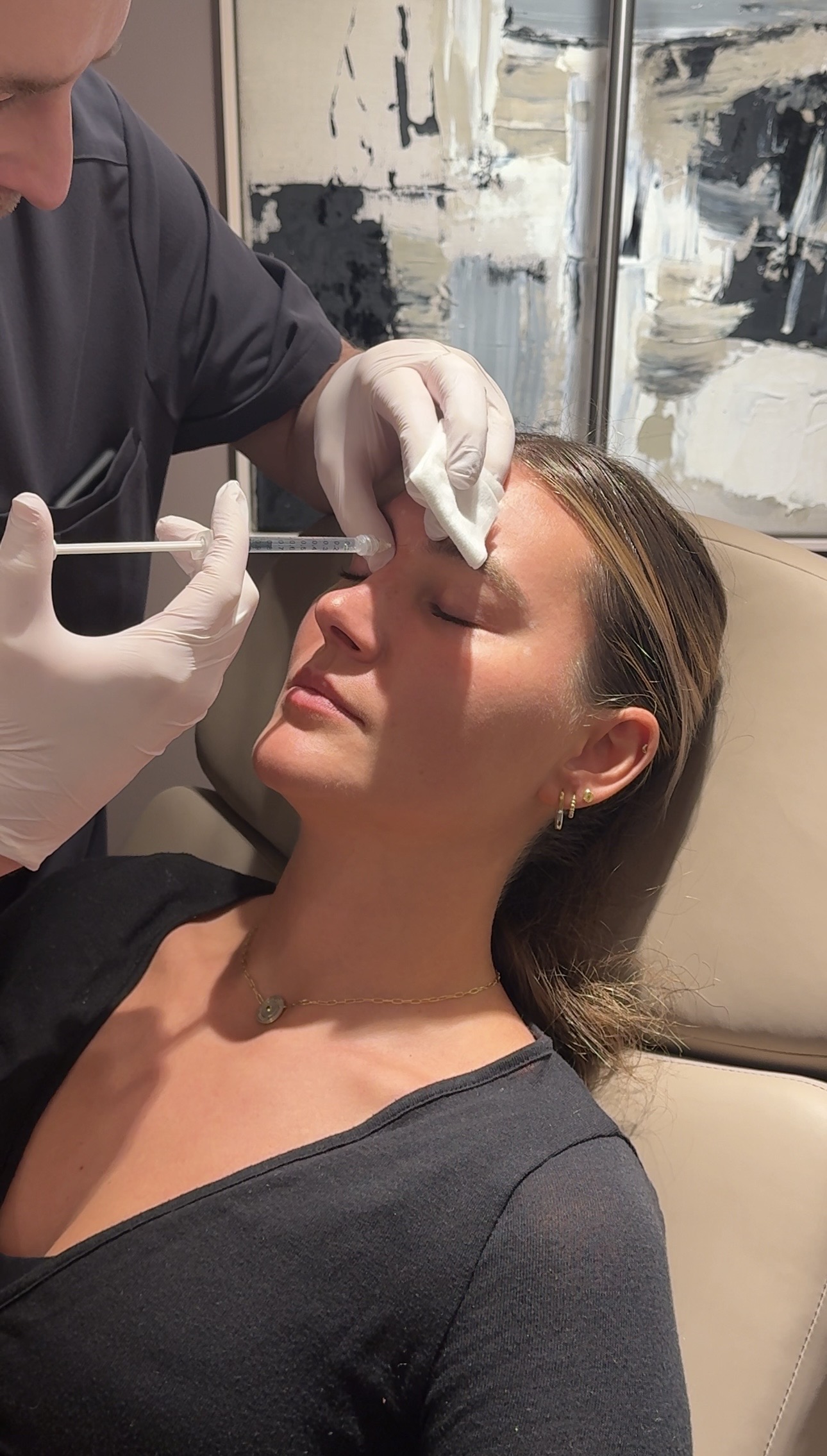
What happens during and after a hyaluronic acid treatment?
According to treatment statistics from the Association of German Aesthetic and Plastic Surgeons (VDÄPC), hyaluronic acid treatments are considered one of the most popular methods in aesthetic medicine. They are minimally invasive, quick to perform, and deliver immediately visible results. But what exactly happens during such a treatment? And how does the active ingredient work in the body?
What is hyaluronic acid, and how does it work in the body when it is injected?
Hyaluronic acid is a natural component of our bodies; more specifically, it is a polysaccharide capable of binding large amounts of water. This ability makes it a key source of moisture in the skin. When hyaluronic acid is injected into specific areas—such as the cheeks, chin, or jawline—it restores lost volume, improves skin texture, and enhances elasticity. The skin appears fresher, plumper, and more even-toned. In addition, injected hyaluronic acid can stimulate the body’s own collagen production, which stabilizes the results for weeks to come.
Why is pre- and post-treatment care so important?
Although hyaluronic acid treatment is minimally invasive, it is a medical procedure. The injection of the filler causes micro-injuries in the skin that require proper healing.
Proper aftercare plays a crucial role in preventing swelling, bruising, or infection. It ensures that the injected hyaluronic acid is distributed optimally and remains in the desired area. External factors, such as alcohol, extreme heat, or mechanical pressure, can also disrupt the healing process. By taking aftercare recommendations seriously, you maximize the aesthetic quality of the results.

Why You Shouldn't Drink Alcohol After Hyaluronic Acid Treatment: Medical Reasons
After a hyaluronic acid treatment, your body is in a sensitive healing phase. Alcohol can disrupt this process in several ways. This is true even with small amounts. One of the main reasons: alcohol dilates blood vessels. This can lead to increased swelling or even minor post-injection bleeding at the injection sites. These effects naturally compromise the aesthetic result, but more importantly, they also increase the risk of bruising and inflammation.
Added to this is alcohol’s diuretic effect. It promotes the excretion of fluid through the kidneys—a condition that places additional strain on the connective tissue. As a result, the hyaluronic acid may distribute unevenly, leading to asymmetrical results or reducing the filler’s longevity.
Furthermore, alcohol has been shown to impair cell regeneration. A study on wound healing demonstrates that regular alcohol consumption can delay the healing of skin cells. The same applies, incidentally, to smoking. This means that inflammation subsides more slowly, and the final result of the treatment takes longer to fully develop.
Alcohol After Hyaluronic Acid Injections: Potential Risks and Consequences
Even though a glass of wine may seem harmless, caution is advised after a hyaluronic acid treatment. The body is working at full speed to integrate the injected material into the tissue and regenerate the skin structure. Alcohol can significantly disrupt this process, with clearly visible and noticeable consequences:
Swelling & Bruising: Alcohol increases blood flow. Combined with the micro-injuries caused by the injection, this increases the risk of pronounced hematomas and more severe swelling.
Delayed healing: Cellular regeneration proceeds more slowly. Redness and tenderness persist longer.
Uneven results: Due to fluid loss and impaired tissue regeneration, the hyaluronic acid may distribute unevenly. The result appears asymmetrical or less harmonious.
Increased risk of inflammation: Alcohol temporarily weakens the immune system, which can promote infections or irritation at the injection sites.
Reduced longevity of the filler: If the skin barrier is weakened, the body breaks down the hyaluronic acid more quickly. Consequently, the results do not last as long as desired.
How long should you avoid alcohol after a hyaluronic acid treatment?
The most important rule after a hyaluronic acid treatment is: Give your body time. To allow the filler to take full effect and prevent any complications, you should avoid alcohol for the first few days after the treatment.
Recommendations from experts
Do not consume alcohol for at least 24 to 48 hours after the injection. During this time, the skin remains particularly sensitive, and swelling or minor bruising may occur. Alcohol could interfere with the healing process and increase the risk of side effects.
Better yet: to be on the safe side, wait up to 72 hours—especially if multiple areas were treated or if you have sensitive skin.
This period of time helps the body …
- … tro close micro-injuries,
- … to integrate the hyaluronic acid evenly into the tissue,
- … reduce inflammation and
- … to ensure an optimal, aesthetic result.
What else you should avoid after the hyaluronic acid treatment

For an optimal result and complication-free healing, it is particularly important to avoid certain activities and influences during the first few days:
- Strenuous exercise (for 2–3 days): Strength training, jogging, or high-intensity interval training (HIIT) increase blood circulation. This can lead to faster swelling or bruising at the injection sites. So, plan a short break from exercise—your skin will thank you
- Sauna, steam bath, or tanning bed (at least 1 week): Exposure to heat dilates blood vessels and can further irritate the treated areas. UV radiation is also counterproductive during this phase. Therefore, avoid saunas, steam baths, and tanning beds for one week
- Facial massages or pressure on the treated areas (for one week): Immediately after the injection, the hyaluronic acid is still malleable. Excessive pressure—such as from massages, tight-fitting sleep masks, or constant rubbing—can disrupt the distribution of the filler and compromise the result.
- Medications such as aspirin, ibuprofen, or ginkgo (without consulting a doctor): These substances have a blood-thinning effect and can increase the risk of bruising or post-procedure bleeding. When in doubt, consult your doctor before taking such medications.
How Kalia Lab supports you during your hyaluronic acid treatment
At Kalia Lab, your wishes, your safety, and a naturally beautiful result are our top priorities. In our modern clinics in Berlin, Hamburg, and Düsseldorf, we combine medical expertise with a refined aesthetic sensibility to deliver treatments that leave you feeling like yourself—just a little fresher.
Every hyaluronic acid treatment begins with a comprehensive consultation: our experienced doctors take the time to understand your individual goals and develop a personalized treatment plan. Aftercare is also a key part of our service; you will receive clear recommendations on how to support the best possible results and provide optimal care for your skin.
Whether you are looking to refine contours, define your cheeks, or simply refresh your entire face, hyaluronic acid—combined with the right professional care—makes it all possible without surgery. Book your personal consultation at Kalia Lab today and step into your most beautiful new self.
A Little Extra: The Perfect 24 Hours After Hyaluronic Acid Treatment
Let’s say your hyaluronic acid treatment starts at 9:00 AM—the perfect time to plan a mindful, relaxing day afterward. This allows your skin to regenerate optimally while you support the results through conscious rest:
10:00 AM – 12:00 PM: Post-Treatment. Take a moment to settle in calmly. Avoid exaggerated facial expressions and touching your face. Treat yourself to some caffeine-free tea or still water with lemon to support your skin from within.
12:00 PM – 3:00 PM: Relaxation, Not Action. It’s time for wellness—but without the heat. How about a gentle foot massage at the spa? Please postpone any facial treatments or sauna visits. Follow this with a walk in the shade or a leisurely stroll through town—wearing sunglasses and SPF, of course.
3:00 PM – 6:00 PM: Me-Time. A good book, a lighthearted TV series, or an audiobook on the sofa: give yourself the rest your skin needs. If you do want to work, choose a quiet environment and avoid screen strain to protect the eye area.
6:00 PM – 9:00 PM: A Light Evening. A light, fresh dinner with low salt, plenty of vegetables, and healthy fats. Pair it with plenty of water. Skip the alcohol and spicy seasonings to keep swelling to a minimum. Afterward, perhaps a relaxing walk or some journaling?
9:00 PM – 11:00 PM: Evening Routine & Preparing for Sleep. Cleanse your face gently and avoid products containing retinol or fruit acids. Apply a soothing, hydrating moisturizer if needed. Sleep with your head slightly elevated, e.g. ...using an extra pillow to reduce swelling.
11:00 PM – 7:00 AM: Restorative Sleep. Your body regenerates while you sleep, including the treated areas of your skin. A quiet, cool sleeping environment and adequate hydration during the day support the healing process. By the next morning, you will already see the benefits of fresh volume and a revitalized complexion.
7:00 AM – 10:00 AM: An Active Start to the Day. Begin your day with gentle stretching or a short yoga session—ideally avoiding inverted poses like headstands or deep forward bends. These promote lymphatic flow without putting pressure on your face. Treat yourself to a light, nutritious breakfast featuring plenty of fresh fruit, oats, and ample water or herbal tea. This provides your body with everything it needs for optimal recovery, helping you start the day feeling radiant and energized.
Conclusion: Skipping Alcohol After Hyaluronic Acid = A Beauty Boost.
Alcohol and fresh hyaluronic acid injections do not mix well. Alcohol disrupts the healing process, increases swelling, hinders regeneration, and can negatively impact the final result. Abstaining from alcohol promotes wound healing and ensures the hyaluronic acid can take full effect. A clear head after treatment means clearer, more beautiful contours. Give yourself and your skin this brief break, and enjoy a long-lasting, naturally fresh result in return.
.png)