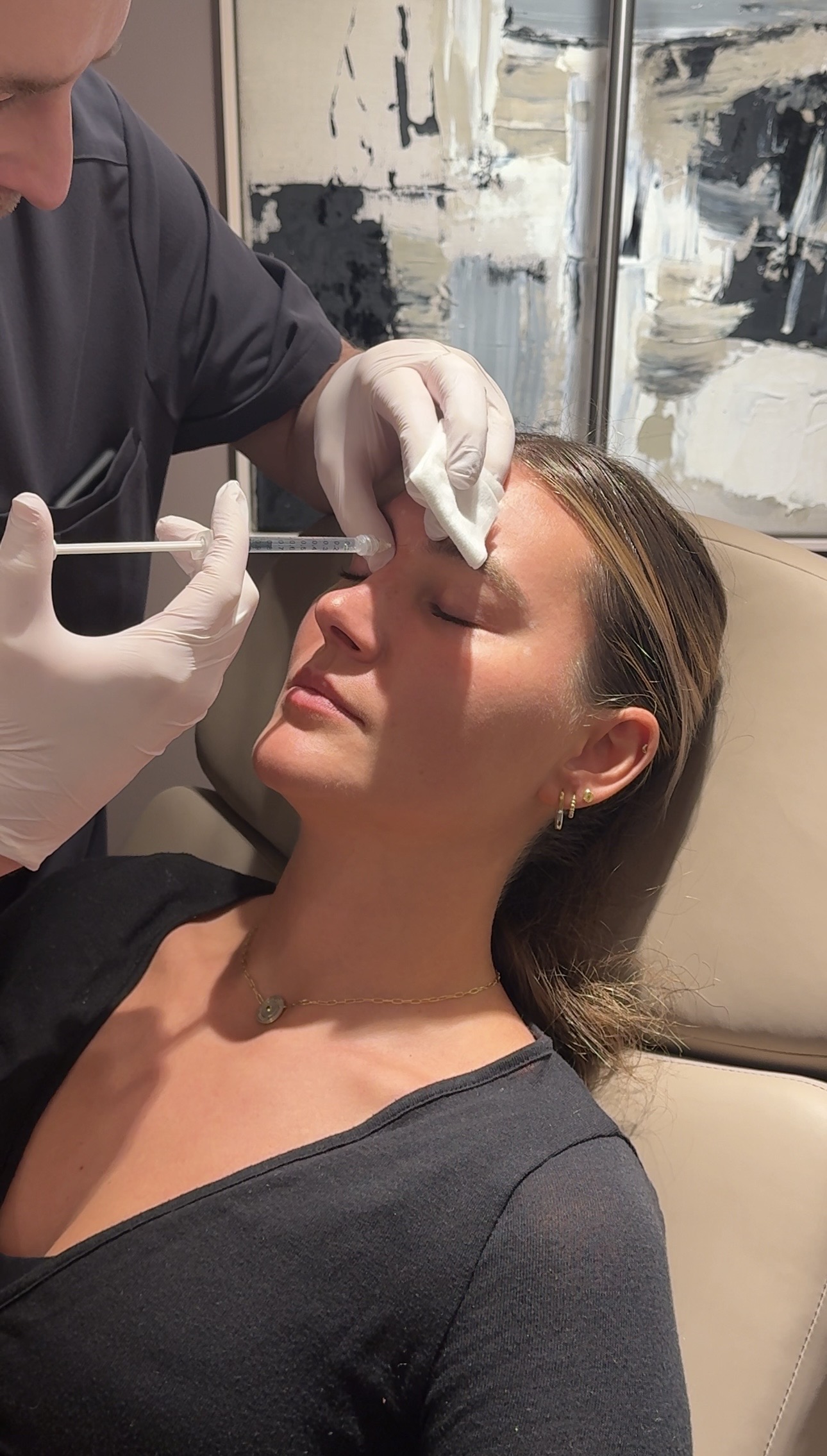
In the Spotlight in Cosmopolitan: CO2 Laser vs. Polynucleotides for Fine Lines Around the Eyes
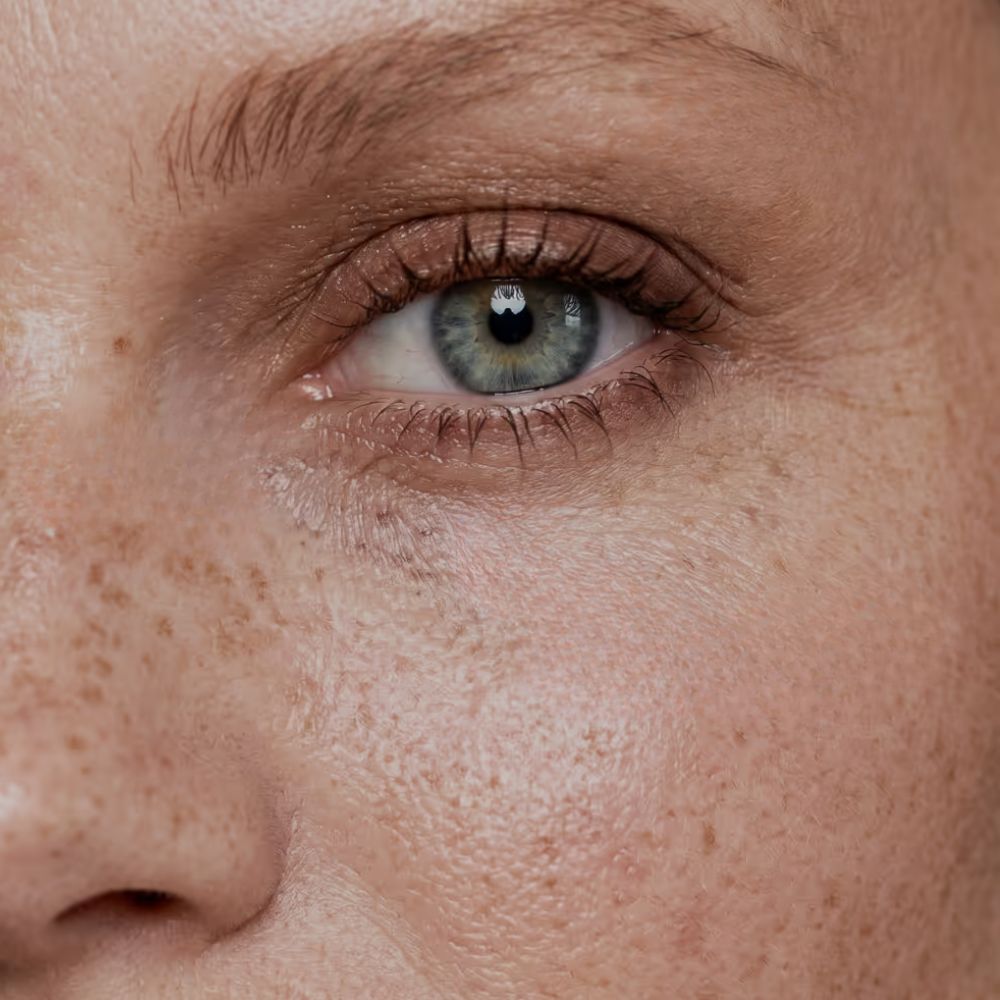
“The CO2 laser achieved what polynucleotides couldn’t for me.”
– Alexandra Brechlin, Beauty Editor at COSMOPOLITAN
The skin around our eyes is particularly delicate while also being constantly in motion. It moves when we laugh, blink and squint — which is why fine crepey lines, changes in skin texture or a tired appearance often become noticeable here first. Over time, the eye area therefore frequently becomes a key focus when it comes to skin quality and the first signs of skin ageing.
Polynucleotides for the eye area offer a gentle way to support skin quality and regeneration, with minimal downtime and a gradual effect. However, if lines are already more pronounced or the skin’s texture has visibly changed, a fractional CO2 laser treatment around the eyes can target these concerns more specifically. This is why the treatment is also used as a non-surgical eyelid tightening procedure. It works more intensively within the skin, stimulating renewal processes and collagen production.
COSMOPOLITAN Beauty Editor Alexandra Brechlin recently described just how differently the two approaches can work in a first-hand review, after undergoing CO2 laser eyelid tightening at Kalia Lab. In this article, we take a closer look at the medical principles behind both treatments, how they differ, and which option may be more suitable for whom.
Polynucleotides: Regeneration Rather Than Correction
Polynucleotides are short DNA fragments, most commonly derived from salmon DNA. When injected into the upper layers of the skin, they can stimulate cell regeneration, support collagen production and improve skin hydration. Rather than creating a visible “correction”, the effect is a gradual improvement in skin quality from within: the skin may appear plumper, smoother and fresher.
At the same time, the treatment is considered relatively gentle and is usually associated with minimal disruption to everyday life. Mild redness or small areas of swelling can occur immediately after treatment, but these generally subside within a short period of time. Polynucleotides are therefore particularly suitable for those looking to treat the eye area gently while keeping downtime to a minimum.
Their limitation, however, lies in the depth of their effect. Polynucleotides work regeneratively rather than ablatively. They can produce visible results for fine, superficial lines and tired-looking skin, but their effect is more limited when it comes to deeper, more established wrinkles.
CO2 Laser for the Eye Area: Eyelid Tightening Without Surgery
This is where the fractional CO2 laser comes in. The treatment targets microscopic areas of the skin, stimulating the body’s natural repair processes and the formation of new collagen. Over the following weeks and months, this can visibly refine the skin’s texture and make the eye area appear smoother and firmer.
The CO2 laser is particularly suitable when lines are already more pronounced or when there is a more noticeable loss of elasticity and skin structure. Compared with polynucleotides, the treatment is more intensive and can address deeper structural changes in the skin. This also means allowing for some downtime: in the days following treatment, the skin may appear red or swollen and can temporarily become dry or flaky.
The Difference at a Glance
“Polynucleotides for skin quality and regeneration, CO2 laser for structural change.”
– Dr Constantin Weil von der Ahe
This phrase captures the essential difference well: polynucleotides improve how the skin feels and looks without fundamentally altering its structure. The CO2 laser, on the other hand, actively targets the skin’s structure and can therefore address more pronounced changes — with a correspondingly longer recovery period.
So Which Treatment Is Suitable for Whom?
Polynucleotides may be better suited to fine crepey lines, dry or tired-looking skin, or if you are looking for a treatment that can be used in preparation for or alongside another procedure — without having to factor significant downtime into your routine.
CO2 laser eyelid tightening may be more appropriate if crepey lines beneath the eyes are already more pronounced, if there is visible loss of elasticity, or if previous, gentler treatments have not achieved the desired effect.
Ultimately, the choice is always individual. The current condition of your skin, what you hope to achieve from the treatment and how much downtime you are able to allow will all play a role in determining the right next step for you. The most reliable way to assess this is during a personal consultation, where we can evaluate your skin together and discuss your expectations. Book your consultation here.
Read the full first-hand review in COSMOPOLITAN →
.png)
.png)